
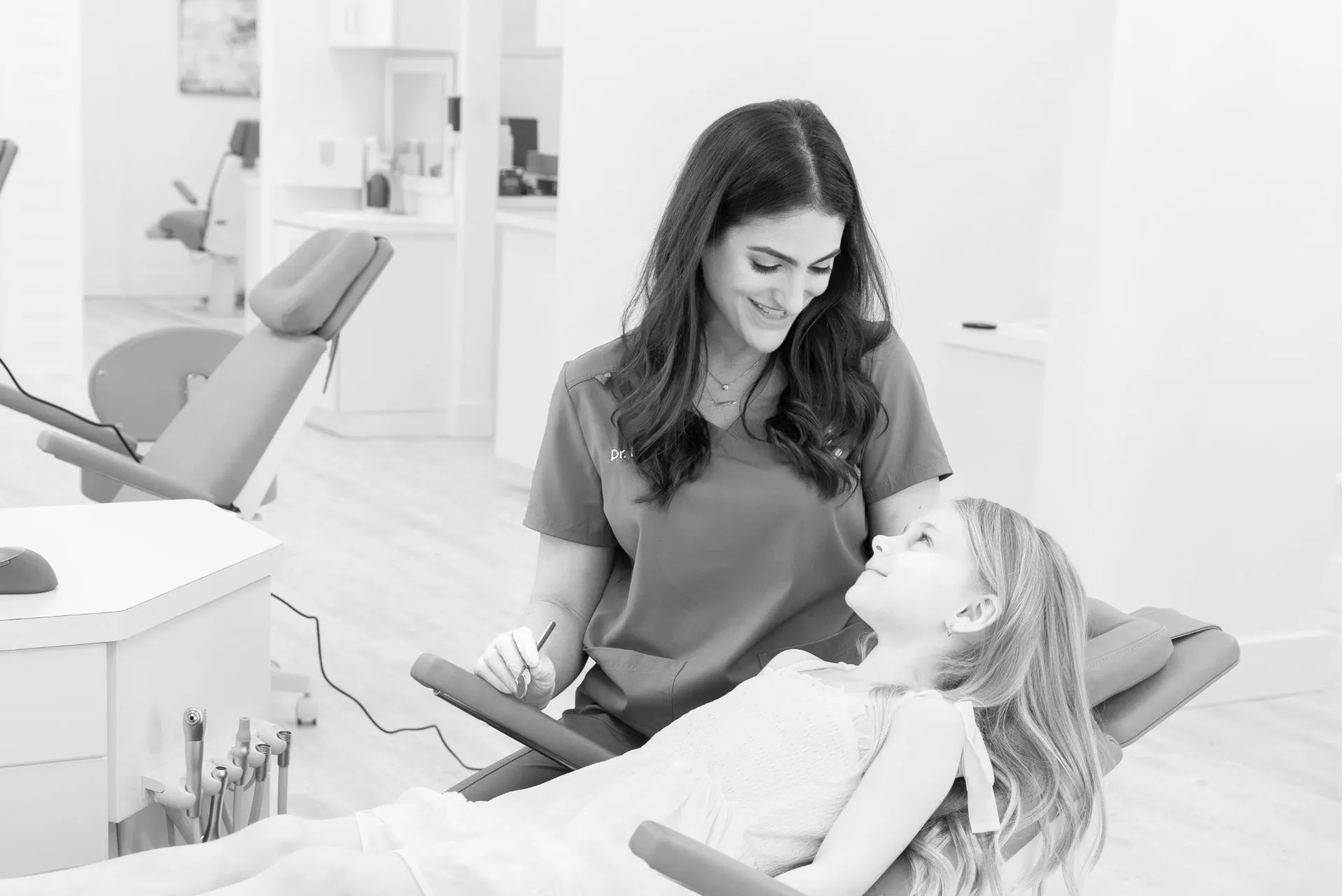
Dental visits for children with autism or sensory sensitivities work best when preparation reflects the child's communication style, triggers, and comfort needs. Share those details before the appointment, practice familiar steps at home, and ask which accommodations can be planned. A visit may need a slower pace or staged care.
You know how your child shows discomfort, what helps them feel safe, and which surprises are hardest. That information matters just as much as a diagnosis label. Planning together gives the dental team a clearer starting point and gives you a more realistic sense of what to expect.
Why Can a Dental Visit Feel Overwhelming?
Sensory Input Can Arrive All at Once
Bright lights, unfamiliar sounds, tastes, and touch near the face can be difficult for a child with sensory differences. Reclining in a chair or having someone enter their personal space may add uncertainty. A reaction that looks like refusal may be a way of communicating discomfort or overload.
Try describing the exact difficulty rather than saying your child dislikes the dentist. For example, mention sensitivity to light, difficulty tolerating a brush near the back teeth, or distress when a routine changes. Specific information helps the team discuss adjustments that match the concern.
Communication Needs Vary
Some children respond well to short verbal explanations; others use pictures, gestures, or a communication device. Tell the team what your child understands and how they express pain, yes, no, or the need for a break. Do not assume that being quiet means being comfortable.
At Busciglio Smiles, we offer special needs dentistry in Tampa for children with developmental, physical, behavioral, and sensory differences. Our approach includes communication tailored to the child and adapting the pace of care. Ask how those principles can be applied to your child's particular visit.
What Should You Tell the Team Before the Appointment?
Share Health & Care Information
Provide current medications, allergies, relevant medical conditions, and previous dental experiences. Mention trouble swallowing, movement limitations, seizure history, or other concerns that affect positioning or safety. Bring guidance from your child's medical clinicians when it is relevant to dental care.
Explain what oral care looks like at home, including areas that are hard to clean and any signs of pain. A change in eating, sleep, or behavior may be worth mentioning if your child cannot describe a toothache. Keep the information factual rather than trying to identify the dental diagnosis yourself.
Describe What Helps & What Does Not
Tell the team about preferred words, effective calming strategies, and experiences that have made past care harder. Discuss whether your child benefits from seeing an object before it touches the mouth, having a familiar caregiver close, or receiving a short explanation before a change.
We support children with extended appointment times and caregiver involvement. Ask about timing and arrangements in advance, including the visit's likely goals. Preparing the child for an examination is different from preparing for a procedure; the team can clarify what is planned.
How Can You Prepare at Home Without Adding Pressure?
Use a Simple Story or Visual Sequence
A short social story can show arriving, meeting the team, sitting in the chair, and having teeth checked. Use words or pictures your child already understands. Keep the sequence flexible and confirm details with the office rather than promising a particular room, staff member, or procedure.
Practice opening the mouth briefly or sitting back in a comfortable chair if your child tolerates it. Stop before practice becomes distressing. We recommend positive descriptions, books or videos about dental visits, and chair practice at home. Preparation should make the experience more familiar, not become a test your child must pass.
Plan Familiar Comforts & Timing
Bring a familiar item your child finds helpful and ask about anything you hope to use during care. Comfort items you can discuss with us include headphones or blankets. Choose an available appointment time when your child is usually more settled, and explain any essential routines to the team.
Keep your explanation honest. Avoid promising that nothing will feel strange or that the visit will end at an exact moment. You can say the team will check teeth and that you will share what helps. Follow any individualized preparation instructions rather than changing food or medication routines on your own.
Which Sensory Adjustments Can You Discuss?
Our supports include dimming lights, reducing noise, clear positive communication, and family involvement. These are starting points for a conversation, not a promise that every child needs the same arrangement or that every source of sensory input can be removed.
| Concern to describe | Planning question | Helpful information from home |
|---|---|---|
| Bright light feels uncomfortable | Can lighting be adjusted for my child's visit? | How your child signals discomfort with light. |
| Sounds trigger distress | Can noise be reduced, and may we bring headphones? | Which sounds and headphones are tolerated. |
| Unfamiliar touch is difficult | How will the team explain each part of the exam? | Preferred words and an agreed way to request a pause. |
| The child needs more time | Would a longer or staged visit be appropriate? | What has helped with previous appointments. |
| A familiar adult provides reassurance | How can I support my child during care? | The caregiver's role in communication and calming. |
Let the team know if an adjustment stops helping. Needs can change from one visit to the next. The goal is safe access to care, not making your child tolerate an arrangement simply because it worked on a previous occasion.
What If Your Child Cannot Complete the Examination?
Discuss Pace & Immediate Priorities
An incomplete examination is information about what support may be needed, not a parenting failure. We may complete care in stages when a child cannot tolerate a full exam. Ask which findings can be assessed now and what needs another visit.
Urgent pain or infection may require a different plan from a routine pediatric dental check-up. Describe symptoms when scheduling, so the team can distinguish familiarization goals from immediate treatment needs. Do not delay reporting swelling or pain while waiting for your child to become more comfortable with the setting.
Consider Treatment Support Individually
We offer sedation as an option when needed. A child's diagnosis alone does not determine whether sedation is appropriate. Medical history, the dental problem, and the child's ability to participate all matter. Ask about alternatives, preparation, monitoring, and recovery before agreeing to a plan.
We can help you prepare questions about pediatric sedation dentistry, but the clinician must give instructions for your child. Do not use sedating medication at home to make a dental visit easier unless the treating clinician has specifically prescribed and explained it.
How Can Home Care Fit Your Child's Abilities?
Ask the team to demonstrate a brushing position and tool your child can tolerate safely. A familiar sequence, a predictable location, and gradual practice may help. Caregiver assistance can remain important even when a child wants independence; the amount of help should match ability rather than an assumed age milestone.
Report toothpaste textures, flavors, or brushing areas that are difficult. Our preventive approach includes home-hygiene education, fluoride treatments, cleanings, and sealants. Discuss whether dental sealants for children or other prevention fits your child's needs, while continuing to work on daily cleaning.
Frequently Asked Questions
Does my child need to speak to participate in dental care?
No. Tell the team how your child communicates and bring their usual communication supports. Familiar gestures, pictures, or a device can help express choices and discomfort. Discuss a practical signal for needing a pause before care begins.
Should I tell the office about a previous difficult visit?
Yes. Explain what happened and what seemed to trigger distress without blaming your child. That history can help shape a different plan. Mention anything that was successful too, even if it was only a brief, comfortable part of the appointment.
Can medication affect my child's teeth or gums?
Some medications can affect saliva or other aspects of oral health. Share the current medication list and ask what changes to watch for. Do not stop a prescribed medicine because of a dental concern without speaking with the prescribing clinician.
Request a Pediatric Dentistry Appointment
To begin planning, request a pediatric dentistry appointment and describe the supports your child uses. If the FishHawk (Lithia) location is convenient, ask about arranging care there and discuss accommodation needs before the visit. A clear conversation helps set appropriate expectations for your family.